
What Are Modular Sofas and Why They Are Ideal for Living Spaces?
Modular sofas are flexible furniture systems composed of individual sections that can be arranged and rearranged to suit your specific needs. Unlike traditional sofas that come as fixed units, these pieces consist of separate modules—such as corner units, armless chairs, ottomans, and chaise lounges—that connect together to form customized seating configurations.
The sofa you choose becomes the centerpiece of your living room, influencing both functionality and aesthetic appeal. A poorly selected modular sofa can make a spacious room feel cramped or leave a large area looking empty and unwelcoming. The right choice transforms your living space into a comfortable, inviting environment that accommodates your lifestyle.
The Benefits of Investing in a modular sofa for Your Living Space extend far beyond simple seating. These versatile pieces adapt to life changes—whether you’re moving to a new home, welcoming a growing family, or simply refreshing your interior design. The modular sofa benefits include unmatched flexibility, enhanced comfort, and long-term value that traditional sofas cannot match.
This article explores how modular sofas serve as smart living space furniture investments. We’ll examine their adaptability to different room dimensions, comfort features, design versatility, durability standards, and practical functionalities. You’ll discover why these innovative seating solutions represent a strategic choice for homeowners seeking furniture that evolves alongside their needs rather than becoming obsolete within a few years.
How Do Modular Sofas Adapt to Different Room Sizes and Layouts?
Modular sofas consist of independent sections—armless chairs, corner pieces, ottomans, and chaise lounges—that connect together like building blocks. Each module functions as a standalone piece while interlocking with others to form larger seating arrangements, giving you complete control over your furniture’s footprint and shape.
The versatility of modular sofas shines through the ability to reconfigure these sections whenever your space demands change. A three-seat configuration in a compact apartment can expand into an L-shaped sectional when you move to a larger home. The same modules that create a linear sofa against one wall can transform into a U-shaped conversation pit centered in an open-plan living area.
How Room Sizes Affect Modular Sofa Configurations
Room dimensions directly influence which configurations work best:
- Small spaces (under 150 sq ft): Two or three armless modules create a streamlined sofa without bulky armrests eating up precious floor space
- Medium rooms (150-250 sq ft): L-shaped arrangements with a corner module maximize seating while maintaining traffic flow
- Large spaces (250+ sq ft): U-shaped or double-chaise configurations anchor expansive areas without appearing lost
Adapting to Architectural Features with Modular Sofas
Adaptable furniture like modular sofas responds to architectural features that challenge traditional seating. Bay windows, support columns, and awkward alcoves become opportunities rather than obstacles. You can split modules to flank a fireplace, wrap around a structural pillar, or fill an irregular corner that standard sofas cannot accommodate.
Overcoming Moving Challenges with Modular Design
Doorways and staircases pose fewer challenges during moves since individual modules navigate tight spaces more easily than one-piece sofas. A corner section measuring 35 inches square fits through standard doorways, while an equivalent traditional sectional might require professional disassembly or window removal.
Quick and Easy Rearrangement for Versatile Living Spaces
The rearrangement process takes minutes rather than hours. Most modular systems use metal brackets, hook-and-loop fasteners, or interlocking clips that secure modules without tools. This quick-change capability means your Friday game night setup differs from your Sunday movie marathon arrangement, all using the same furniture pieces.
In addition to their adaptability and ease of movement, the benefits of modular furniture extend to their inherent flexibility in design.
How Modular Sofas Improve Comfort and Seating Capacity
Modular sofas are great at providing comfortable seating for multiple people at the same time. This makes them perfect family-friendly sofas that can accommodate everyone, whether it’s for everyday use or hosting guests. Each extra module increases the seating area without sacrificing comfort or leaving awkward gaps.
Quality Construction for Long-lasting Comfort
The quality of construction plays a crucial role in how these sofas deliver superior comfort. High-density foam cushioning keeps its shape and support even after years of regular use, preventing the sagging and flattening that often occurs in lower-quality furniture. In premium modular sofas, this foam density usually ranges from 1.8 to 2.5 pounds per cubic foot, ensuring that the cushions bounce back after each use.
Responsive Support with Pocket Spring Systems
Pocket spring systems work together with foam layers to create responsive support that adapts to body weight and sitting positions. Unlike traditional spring systems, individual pocket springs move independently, distributing weight evenly across the seating surface. This technology reduces pressure points and provides targeted support where it’s needed most. For a deeper understanding of how foam core vs pocket coils influence comfort, you may want to delve into specific resources.
Flexible Seating Solutions for Families
The modular design allows families to adjust their seating capacity based on actual needs:
- Add corner units to maximize seating in L-shaped configurations
- Include ottoman modules that serve as both footrests and extra seats
- Incorporate chaise sections for lounging and relaxation
- Extend straight sections for larger gatherings
Each person gets enough personal space without feeling cramped. A standard three-seater module typically accommodates three adults comfortably, while corner pieces create natural conversation areas that bring people together without forcing proximity.
Dimensions Matter: Depth and Width of Modules
The depth and width of individual modules also play a significant role in determining comfort levels. Deeper seats (typically 24-30 inches) allow people to sit back fully or curl up with pillows, while wider armrests provide additional surface area for drinks, books, or simply resting arms during extended sitting periods.
How Can Modular Sofas Complement Various Interior Styles?
Modular sofas adapt to virtually any aesthetic preference through extensive modular sofa design options spanning contemporary minimalism to classic elegance. The sheer variety of configurations, upholstery choices, and structural elements allows these pieces to function as chameleons within your living space, transforming to match existing décor rather than dictating it.
1. Fabric and Color Variety
Fabric and color variety transforms the same modular frame into entirely different visual statements:
- Neutral linen or cotton in beige, gray, or white creates a Scandinavian-inspired calm
- Rich velvet in jewel tones like emerald or sapphire adds drama suited to maximalist or Art Deco interiors
- Leather options in cognac or black bring sophistication to industrial or mid-century modern spaces
Many manufacturers offer dozens of fabric samples, allowing precise color matching with existing curtains, rugs, or accent walls.
2. Structural Design Variations
The structural design itself varies dramatically across collections:
- Low-profile modules with clean lines and exposed wooden legs suit minimalist and Japanese-inspired spaces
- Deeply tufted sections with rolled arms complement traditional or transitional rooms
- Track arms and geometric shapes align with contemporary urban aesthetics
This design flexibility means The Benefits of Investing in a modular sofa for Your Living Space extend beyond function into genuine style versatility.
3. Mixing Textures for Visual Interest
Mixing textures within a single modular configuration creates visual interest while maintaining cohesion:
- Pairing a smooth leather chaise with fabric corner sections adds depth to eclectic interiors
- Contrasting piping or button details in complementary colors ties together bold pattern choices
- Some homeowners select different colored modules from the same collection to create ombré effects or define separate zones within open layouts
4. Seamless Integration with Different Décor Styles
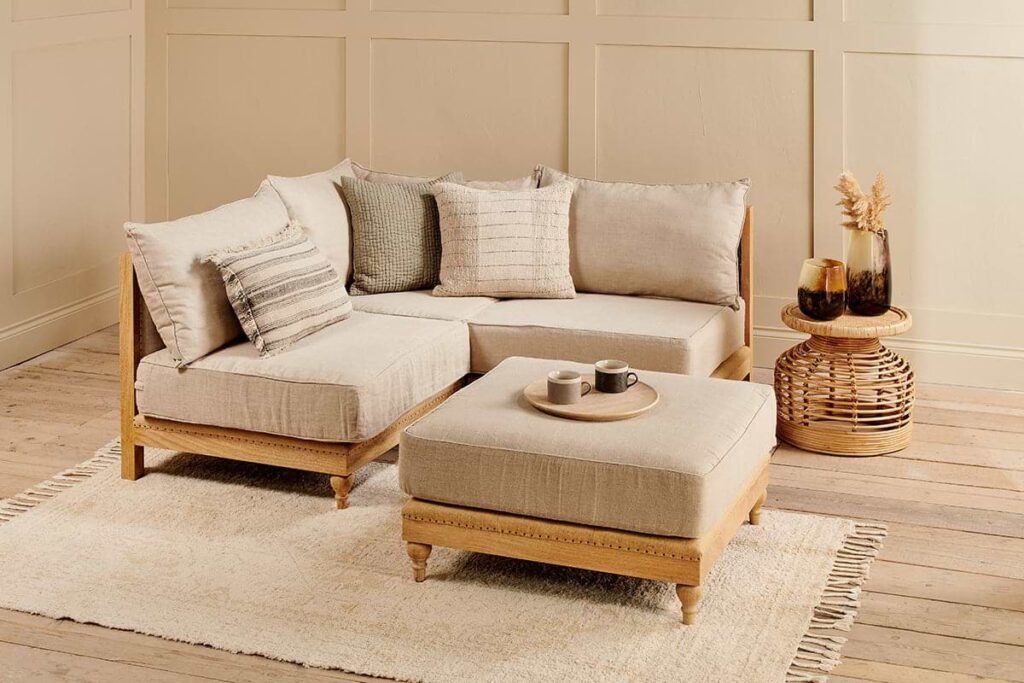
Seamless integration with different décor styles happens because modular pieces scale appropriately:
- A three-seat configuration works in a compact apartment with bohemian décor
- Expanding the same design with additional ottomans and corner pieces fills a spacious farmhouse living room
- The modular nature means you’re not forcing an oversized traditional sofa into a modern loft or cramming a tiny loveseat into a family room that demands more presence
5. Enhancing Style Compatibility through Pattern Selection
Pattern selection further enhances style compatibility:
- Solid colors provide timeless backdrops for changing accent pieces
Why Are Modular Sofas Considered Durable and Sustainable Investments?
Durable sofas built from quality materials can last 15-20 years or more, making modular designs a smart long-term choice. The construction typically features hardwood frames or reinforced metal structures that resist warping, cracking, and daily wear far better than particle board alternatives. Click here to learn about finding the best deals at a Sydney furniture outlet.
Hardwood frames, particularly those made from kiln-dried oak or beech, provide exceptional structural integrity. These materials maintain their shape under constant use and support the weight of multiple people without sagging. Metal frames offer similar longevity with the added benefit of being lighter and resistant to moisture damage.
The modular design itself contributes to durability through its engineering. Each section distributes weight independently, reducing stress on individual components. When one module experiences wear, you can replace that specific piece rather than discarding the entire sofa—a feature that extends the furniture’s overall lifespan significantly.
Built to Withstand Daily Life
High-quality modular sofas incorporate reinforced corner blocks and double-doweled joints that prevent loosening over time. The upholstery attaches to frames using methods like eight-way hand-tied springs or sinuous spring systems, both known for maintaining their support for decades. These construction techniques ensure the sofa maintains its comfort and appearance through years of regular use.
Eco-Friendly Materials Transform Sustainability
Eco-friendly furniture materials have become standard in premium modular sofas, addressing environmental concerns without sacrificing quality. Responsibly sourced teak stands out as a popular choice, offering natural resistance to moisture and pests while aging beautifully with a rich patina.
Certified sustainable wood sources, marked by FSC (Forest Stewardship Council) labels, guarantee that materials come from responsibly managed forests. Bamboo frames present another eco-conscious option, growing rapidly and requiring minimal pesticides while providing remarkable strength comparable to traditional hardwoods.
Manufacturers increasingly use recycled metals for frame construction and natural latex foam derived from rubber trees instead of petroleum-based alternatives. These materials reduce environmental impact while delivering the same structural support and comfort. Organic cotton, linen, and wool upholstery options eliminate harmful chemicals from the production process, creating healthier indoor environments.
What Practical Features Make Modular Sofas Multifunctional?
Multifunctional sofas excel at maximizing utility through clever design elements that address everyday living challenges. The built-in versatility of modular pieces transforms them from simple seating into comprehensive living room solutions.
Hidden Storage Compartments
Many modular sofa designs incorporate hidden storage compartments beneath seat cushions or within ottoman modules. These discreet spaces provide ideal locations for storing blankets, pillows, remote controls, magazines, or children’s toys without cluttering visible surfaces.
Lift-top storage modules blend seamlessly into the overall design while offering substantial capacity. A typical storage ottoman can hold 50-100 liters of items, equivalent to several large storage boxes. This feature proves particularly valuable in apartments or homes where closet space is limited.
Some premium models include divided compartments with removable organizers, allowing you to categorize stored items efficiently. The easy-access design means you can retrieve items quickly without dismantling cushions or moving heavy furniture pieces.
Replaceable Individual Sections
The modular construction allows you to replace or update single sections rather than purchasing an entirely new sofa set. If one cushion becomes worn or damaged, you simply order that specific piece instead of discarding the whole unit.
This section-by-section approach extends the furniture’s lifespan significantly. A stained corner seat can be replaced while keeping the remaining pristine sections, saving hundreds or thousands compared to full replacement costs.
The ability to swap modules also supports style evolution. You might replace neutral-colored sections with bold accent pieces as your taste changes, or add extra seating modules when your family grows. This flexibility means your sofa adapts to life changes rather than becoming obsolete.
Convertible Configurations
Certain modular designs include sections that transform for multiple purposes. Armless chairs can function as footrests, extra seating, or coffee table alternatives when topped with a tray. Chaise modules often feature adjustable backrests that shift between lounging and upright positions.
Some models incorporate pull-out beds within specific modules, converting your living room into guest accommodation without requiring a separate sleeper sofa. These integrated sleeping surfaces typically accommodate one or two people comfortably, making unexpected overnight visitors manageable.
How Can Modular Sofas Improve Living Space Styling and Layout?
Modular sofas transform living spaces into intentionally designed areas that balance aesthetics with functionality. Their reconfigurable nature allows homeowners to create visual interest and organize rooms in ways traditional furniture cannot match.
Creating Statement Pieces Through Strategic Arrangement
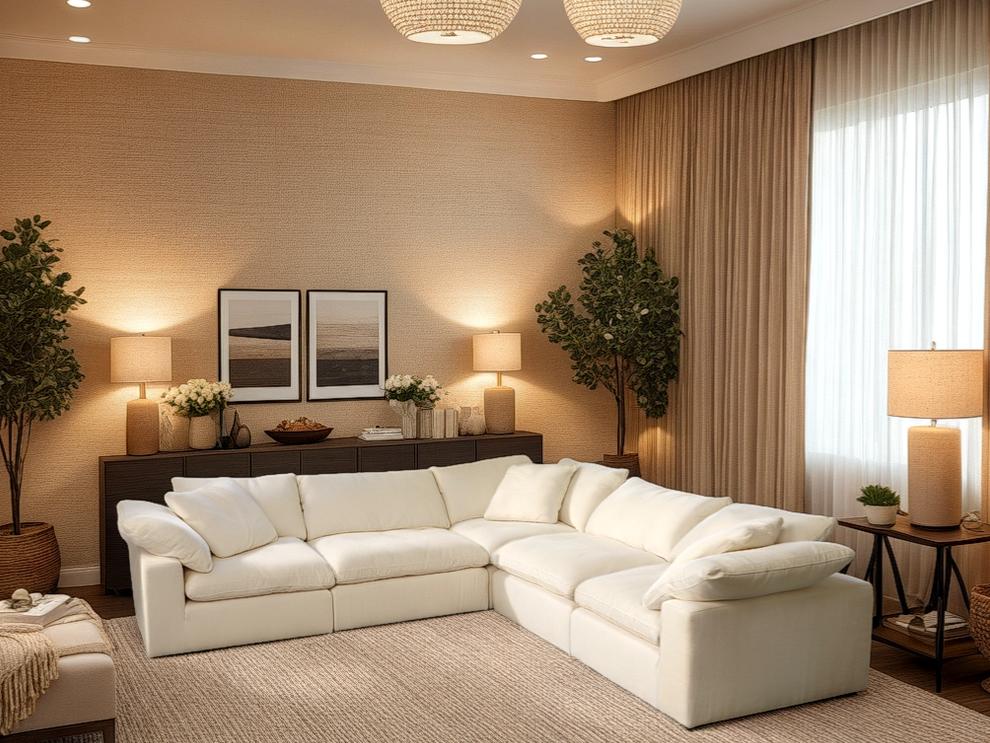
A well-arranged modular sofa instantly becomes the centerpiece of any living room. L-shaped configurations naturally draw the eye and anchor the space, establishing a clear gathering area that invites conversation and relaxation. U-shaped arrangements work particularly well in larger rooms, creating an intimate seating area that feels both luxurious and welcoming.
Modular sofa styling tips include positioning the longest section against the main wall to create symmetry, or floating the sofa in the center of the room to establish a bold focal point. Curved modular designs add architectural interest, softening angular rooms while maintaining the practical benefits of sectional seating.
The visual weight of a modular sofa can be enhanced through:
- Contrasting throw pillows in complementary colors that tie into the room’s color palette
- Textured blankets draped over armrests or backrests for added dimension
- Area rugs positioned beneath the sofa to define the seating zone
- Accent lighting such as floor lamps or pendant lights that highlight the arrangement
Dividing Open Spaces Without Physical Barriers
Open-plan layout zones become clearly defined when modular sofas act as room dividers. Positioning a sofa perpendicular to walls creates natural boundaries between living and dining areas without blocking light or disrupting flow. The back of a modular section serves as a subtle partition that maintains the open feel while establishing distinct functional areas.
Chaise modules positioned strategically can separate a reading nook from the main seating area. Corner pieces create natural turning points that guide movement through the space, while ottoman modules can be moved to adjust zone sizes based on daily needs.
Maximizing Corner and Awkward Spaces
Modular configurations excel at utilizing spaces that traditional sofas leave empty. Corner modules fit snugly into L-shaped rooms, transforming previously wasted square footage into valuable seating. Bay windows become cozy reading areas when paired with appropriately sized ottomans or cushions.
In narrow hallways or small apartments where every inch counts, modular sofas can be tailored to fit specific dimensions without sacrificing style or comfort. This versatility ensures that even unconventional layouts can benefit from the adaptability of modular furniture.
Is Investing in a Modular Sofa Cost-effective Despite Higher Initial Costs?
Modular sofas typically cost 20-40% more upfront than traditional sofas, but their cost-effectiveness becomes apparent through extended lifespan and adaptability. A quality modular system lasting 15-20 years outperforms conventional sofas that require replacement every 7-10 years.
The ability to replace individual sections transforms the economics of furniture ownership. When a single module shows wear or damage, you spend $300-$800 on one piece rather than $2,000-$5,000 on an entirely new sofa. This modular approach reduces lifetime furniture expenses by approximately 40-60%.
Flexibility adds measurable financial value:
- Reconfiguring existing modules eliminates the need to purchase new furniture when moving homes or redesigning spaces
- Removable, washable covers extend fabric life by 5-8 years compared to fixed upholstery
- Adding modules gradually spreads costs over time rather than requiring large single purchases
- Resale value remains higher due to customization options and quality construction
Hidden storage features within modular designs eliminate the need for separate storage furniture, saving $200-$600 on ottomans or side tables. Some homeowners report using their modular sofas as guest beds, removing the expense of purchasing dedicated sleeper sofas or guest room furniture.
The durability factor significantly impacts cost-effectiveness provided by modular sofas. Hardwood frames and high-density foam maintain structural integrity and comfort far longer than particle board and low-grade cushioning found in budget alternatives. Premium materials resist sagging, frame warping, and spring deterioration that typically force premature replacement.
Eco-friendly construction using responsibly sourced materials often includes better warranties—10-15 years versus 2-5 years for standard sofas. These extended guarantees protect your investment and reduce unexpected replacement costs during the warranty period.
Should You Invest in a Modular Sofa for Your Living Space?
Yes, a modular sofa is a smart investment for most living spaces. Its combination of flexibility, durability, and style makes it suitable for various homes and lifestyles.
Why Choose a Modular Sofa?
The benefits of investing in a modular sofa for your living space go beyond just having a place to sit. These versatile pieces can adapt to your changing needs—whether you’re moving to a new home, welcoming a growing family, or simply refreshing your interior design. Unlike traditional sofas that limit you to one arrangement, modular options can grow with you.
Your living space deserves furniture that works as hard as you do. A modular sofa delivers on multiple fronts:
- Adaptability: Suitable for any room size or layout change
- Comfort: Made with quality materials and ergonomic design
- Style versatility: Complements different décor preferences
- Practical features: Includes storage and replaceable sections
- Long-term value: Justifies the initial investment
The benefits of modular sofas appeal to homeowners who appreciate both aesthetics and practicality. You’re not just purchasing furniture—you’re finding a solution that meets your current needs while considering future ones.
How Can a Modular Sofa Fit Your Lifestyle?
Think about what you require from your furniture based on your lifestyle. Here are some scenarios where modular sofas can be particularly beneficial:
- Frequent Entertaining: If you often host gatherings or parties, a modular sofa can easily expand to accommodate extra guests.
- Limited Space: For those living in smaller apartments or homes, reconfiguring the sections of a modular sofa allows you to make the most out of every square foot.
- Upcoming Moves: If you anticipate relocating in the near future, having a modular sofa means you can disassemble it and reassemble it according to the layout of your new place.
The question isn’t whether modular sofas offer value—they clearly do. The real question is whether your living space can afford to miss out on the flexibility, comfort, and longevity these innovative pieces provide. For most homeowners seeking furniture that evolves alongside their lives, the answer points decisively toward modular design.