
Why Should They Consider Eco-Friendly Christmas Gift Boxes This Holiday Season?
Eco-friendly Christmas gift boxes help reduce the huge amount of waste that occurs every December. Traditional holiday packaging creates millions of tons of non-recyclable waste each year, with plastic-coated wrapping paper, synthetic ribbons, and laminated boxes ending up in landfills.
The environmental impact of regular gift packaging is shocking. Standard gift boxes often have plastic parts, toxic glues, and non-biodegradable coatings that stay in the environment for many years. The production process releases a lot of carbon emissions, while disposal adds to overflowing landfills during the busiest shopping season.
Sustainable holiday gifting offers compelling advantages beyond environmental protection:
- Cost savings through lightweight designs that reduce shipping expenses
- Enhanced brand perception by demonstrating commitment to planetary health
- Safer materials free from harmful chemicals, perfect for food gifts
- Premium aesthetics with clean, minimalist designs that elevate gift presentation
- Regulatory compliance meeting retailer sustainability requirements for broader market access
Choosing eco-friendly options transforms holiday gifting from a wasteful tradition into a responsible celebration. These boxes maintain the joy and excitement of gift-giving while protecting natural resources for future generations. The shift toward sustainable packaging aligns with growing consumer expectations, making it both an ethical choice and a smart business decision for retailers and individuals alike.
What Are Eco-Friendly Christmas Gift Boxes Made Of?
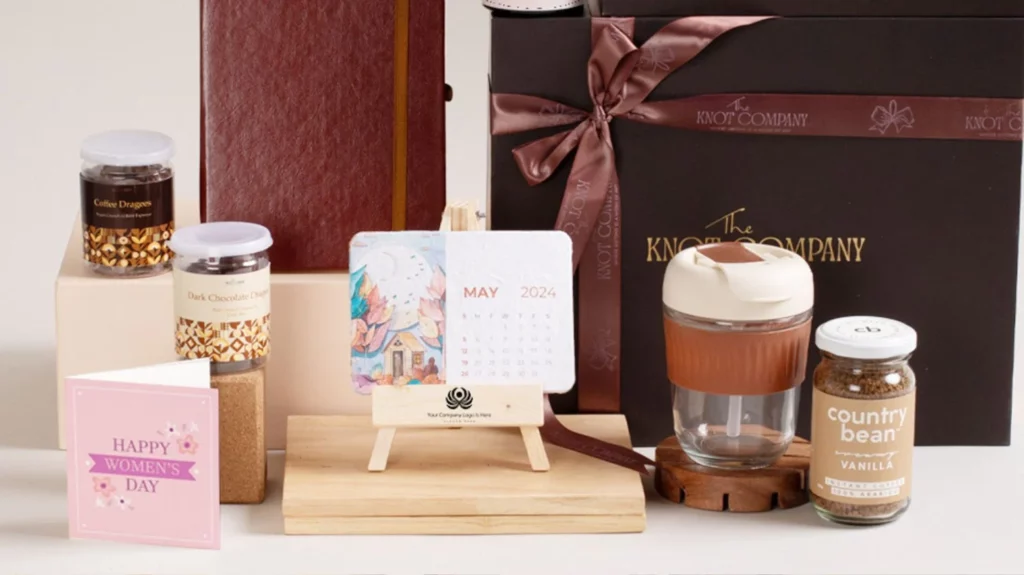
Eco-friendly Christmas gift boxes use recycled materials, biodegradable components, or both to create sustainable packaging that minimizes environmental harm. These boxes serve the same purpose as traditional packaging—protecting and presenting gifts beautifully—while breaking down naturally or re-entering the production cycle after use.
Recycled Kraft Paper
The most common material is recycled kraft paper, which offers durability and an organic aesthetic at an affordable price point. This brown paperboard comes from post-consumer or post-industrial waste, requiring less energy and water to produce than virgin materials. Its natural texture adds rustic charm without additional decoration.
Biodegradable Paperboard
Biodegradable paperboard represents another popular choice for those prioritizing end-of-life disposal. Made from plant-based fibers, these boxes decompose in compost bins within months under proper conditions. They work particularly well for food gifts since many varieties feature food-safe coatings derived from natural sources rather than petroleum-based plastics.
Rigid Recycled Board
Rigid recycled board provides the premium option for high-value presents. This thicker material maintains its structure better than standard paperboard, creating an upscale unboxing experience. Despite the sturdier construction, it remains fully recyclable in most municipal programs.
Each material type offers distinct advantages depending on budget, gift type, and disposal preferences. The key characteristic linking all three is their ability to reduce waste through responsible sourcing and circular design principles. For instance, understanding how sustainable paperboard is can further guide consumers in making eco-friendly choices.
How Do Eco-Friendly Gift Boxes Benefit The Environment And Their Gifting Experience?
Eco-friendly gift boxes reduce landfill waste by replacing single-use plastic packaging with recyclable or compostable alternatives. Traditional holiday packaging contributes millions of tons of waste annually, but sustainable boxes break down naturally or re-enter the recycling stream.
Environmental Impact Reduction
Switching to eco-friendly packaging delivers measurable environmental benefits:
- Eliminates plastic pollution from ribbons, tape, and synthetic wrapping materials
- Lowers carbon footprint through reduced manufacturing emissions and transportation weight
- Decreases deforestation pressure by utilizing post-consumer recycled content
- Minimizes water and energy consumption during production compared to virgin materials
Health and Safety Advantages
Safe packaging materials make eco-friendly boxes ideal for food gifts and sensitive items. Many feature food-safe coatings made from water-based inks and natural waxes instead of petroleum-based chemicals. These non-toxic finishes protect both gift recipients and the environment from harmful substances. Furthermore, the use of sustainable packaging for food not only ensures safety but also aligns with eco-friendly practices.
Enhanced Gifting Experience
The clean, minimalist aesthetic of sustainable boxes creates a premium unboxing moment. Natural kraft textures and simple designs communicate thoughtfulness and quality, increasing the perceived value of gifts. Recipients appreciate the dual gift of a beautiful presentation and environmental responsibility, often reusing boxes for storage or regifting purposes.
What Should They Keep In Mind When Choosing The Best Eco-Friendly Gift Box?
Choosing gift box material depends on budget, aesthetic preferences, and environmental priorities. Here are some options to consider:
- Recycled kraft paper boxes: These offer the most affordable option with a natural, rustic appearance that appeals to eco-conscious recipients. These boxes work well for casual gifts and small businesses operating on tight margins.
- Biodegradable paperboard: This material breaks down completely in compost facilities, making it ideal for those who prioritize end-of-life disposal. The slightly higher cost reflects its enhanced environmental credentials and smoother finish compared to kraft.
- Premium rigid recycled board: This delivers a luxury feel for high-value gifts. The sturdy construction protects delicate items while maintaining sustainability standards. Corporate gifters and upscale retailers often choose this option to convey quality and environmental responsibility simultaneously.
Gift box size selection requires measuring the gift dimensions and adding 1-2 inches on each side for protective padding. Common sizes include:
- Small (4x4x2 inches): jewelry, cosmetics, small accessories
- Medium (8x8x4 inches): clothing items, books, candles
- Large (12x12x6 inches): homeware, bottles, multiple items
Boxes with fold-flat designs reduce storage space and shipping costs. Selecting matte uncoated finishes with minimal water-based inks maintains recyclability, while avoiding plastic lamination ensures the box remains compostable or recyclable according to local regulations.
Which Sustainable Accessories Can They Pair With Eco-Friendly Gift Boxes?
What finishing touches complete an eco-friendly gift presentation? Natural twine ribbons and cotton ribbons replace synthetic plastic alternatives while adding rustic charm to any package. These biodegradable options come in various thicknesses and natural colors, from classic jute to soft cotton in earthy tones.
Recycled paper tags serve dual purposes as both decoration and communication tools. They provide space for personalized messages, recipient names, or brand logos without compromising sustainability. Many businesses use these tags to reinforce their eco-conscious values while creating memorable unboxing experiences.
Shredded recycled paper makes excellent protective padding inside boxes. This alternative to bubble wrap cushions delicate items while maintaining the sustainable theme from box to contents. The paper naturally nestles around gifts and can be composted or recycled after use.
Dried botanicals like cinnamon sticks, pine sprigs, or eucalyptus branches add festive fragrance and visual appeal. These natural decorations decompose harmlessly and create a sensory experience that synthetic embellishments cannot match.
Wax seals made from plant-based waxes offer an elegant closure method for boxes and envelopes. They add a premium touch while remaining completely biodegradable. Stamps can feature custom designs, initials, or seasonal motifs that reflect personal or brand identity.
Are There Other Viable Alternatives To Eco-Friendly Gift Boxes?
Durable eco-friendly bags offer a practical alternative that extends sustainability beyond single-use packaging. These reusable options eliminate waste entirely by serving the same recipient—or different ones—across multiple holiday seasons.
Fabric gift bags made from organic cotton, jute, or linen withstand years of handling while maintaining their appearance. Unlike disposable wrapping, they function as part of the gift itself. Recipients can store jewelry, organize drawers, or carry small items long after unwrapping their presents.
The versatility of reusable bags accommodates diverse gift shapes and sizes:
- Wine and spirit bottles fit securely in drawstring bags with reinforced bottoms
- Home décor items like candles or picture frames nest comfortably in medium-sized totes
- Kitchen accessories such as utensils or spice sets work well in smaller pouches
- Beauty products and bath items stay protected in water-resistant lined bags
These bags eliminate the need for tape, scissors, and wrapping paper scraps that clutter holiday preparations. Their structured design means no awkward folding or measuring—simply place the gift inside and cinch the closure.
The investment pays dividends through repeated use. A quality fabric bag costs slightly more upfront than disposable boxes but replaces dozens of single-use options over its lifetime. Many retailers now stock seasonal patterns that work year-round, from festive plaids to neutral earth tones.
How Do Their Choices Align With Future Packaging Trends?
Sustainable packaging is rapidly becoming the industry standard rather than a niche preference. Retailers and consumers now actively seek low-carbon footprint packaging options, with market research showing that 73% of shoppers prefer brands demonstrating environmental responsibility through their packaging choices.
Major retailers have introduced strict sustainability requirements for suppliers. Companies like Target, Whole Foods, and Amazon now mandate specific recyclability percentages and material sourcing standards. Gift box suppliers meeting these criteria gain access to lucrative retail partnerships and expanded distribution networks that were previously unavailable.
The shift toward eco-friendly options creates competitive advantages:
- Retail compliance: Meeting sustainability benchmarks qualifies products for premium shelf space and featured placement
- Consumer preference: Younger demographics actively choose brands with visible environmental commitments
- Regulatory preparation: Upcoming legislation in multiple regions will restrict single-use plastics and non-recyclable materials
- Cost efficiency: Lightweight recyclable materials reduce shipping expenses while maintaining product protection
Businesses learning How to Choose Eco-Friendly Christmas Gift Boxes This Holiday Season position themselves ahead of mandatory regulations expected within the next 3-5 years. The European Union’s packaging directive and similar initiatives in North America signal a permanent shift toward circular economy principles. Gift packaging that prioritizes recyclability, biodegradability, and minimal material use represents not just current best practice but future-proof business strategy.
Where To Find Eco-Friendly Christmas Gift Boxes And Wraps This Holiday Season?
Finding eco-friendly Christmas gift boxes has become easier as more retailers recognize consumer demand for sustainable options. Specialty packaging suppliers, eco-focused marketplaces, and even mainstream retailers now stock recyclable and biodegradable gift boxes specifically designed for the holidays.
Online Retailers
Online retailers provide the widest selection:
- EcoEnclose offers customizable kraft boxes with carbon-neutral shipping
- noissue specializes in branded sustainable packaging with custom printing options
- The Container Store stocks various sizes of recycled gift boxes year-round
- Etsy features independent sellers offering handmade and vintage reusable options
- Amazon carries multiple eco-friendly brands with quick delivery options
Local Options
Local options include craft stores like Michaels or Paper Source, which typically expand their sustainable packaging sections during holiday seasons. Independent gift shops and zero-waste stores often carry unique, locally-sourced alternatives.
When selecting the right option, measure gifts before purchasing to avoid oversized boxes that require excessive padding. Match material choice to gift type—rigid recycled board works best for fragile items, while kraft paper suits lighter gifts. Check product descriptions for certifications like FSC or recyclability symbols to verify genuine eco-credentials.
Choosing eco-friendly Christmas gift boxes becomes simpler when shopping from verified sustainable sources that clearly label material composition and disposal instructions.
Learn about: The Benefits of Sending a Christmas Gift Hamper to Clients and Teams